The story
Flora et Alchimia is a Latin phrase translating to "Flora and Alchemy" or "Flower and Alchemy."
Flora: Refers to the goddess of flowers and the spring season in Roman mythology, or broadly, the plant kingdom.
Et: A Latin conjunction meaning "and."
Alchimia: A Latin term derived from Arabic (al-kīmiyā), referring to the science or art of transmutation — which sought to turn base metals into gold and discover the elixir of life.
Together, the phrase symbolizes the fusion of botanical elements with mystical and chemical transformation.
Botanical Alchemy: The study of the transformative properties of plants, associated with the creation of elixirs, remedies, and in our case — perfume.
Symbolic Transformation: The natural beauty and life cycle of plants meeting the metaphysical transformation of the self. Here, that transformation happens through scent, history, and your own two hands.
The Goddess Flora
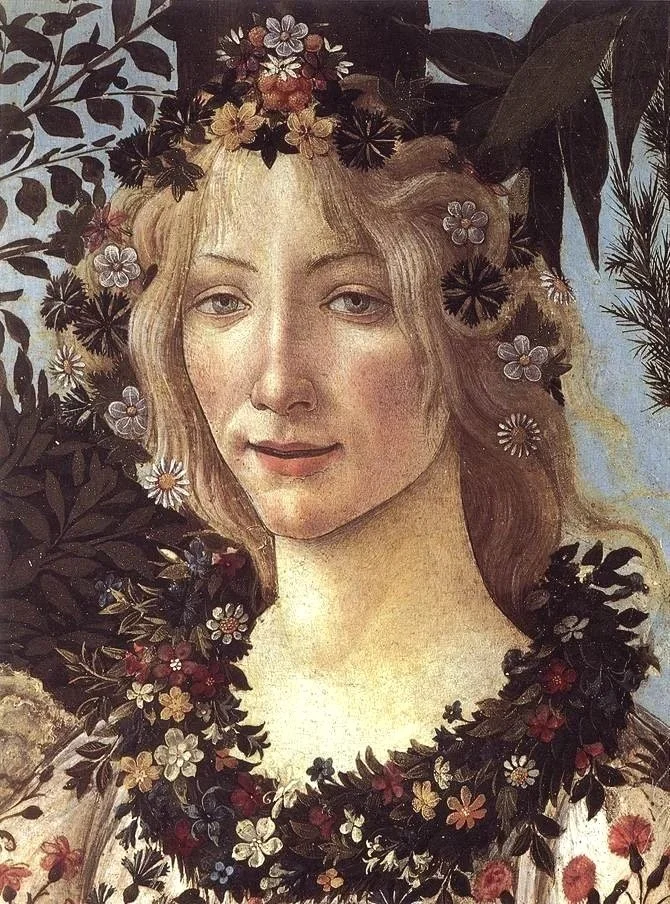
Flora, in the painting Primavera, by Italian Renaissance painter Sandro Botticelli
Role and Domain: She is the Roman goddess and patroness of flowers, gardens, vegetation, and spring, embodying youthful fertility. She was one of the fifteen deities who had their own designated flamen (priest), known as the flamen Floralis.
Origins: She is believed to be of Sabine origin, introduced to Rome by Titus Tatius, an early Sabine king who ruled with Romulus.
Mythology: In Ovid's Fasti, she is a nymph called Chloris who was kissed by Zephyrus (the West Wind), transforming her into Flora. She is also credited with helping Juno conceive Mars using a magical flower.
Legacy: Her name is used as the botanical term for the plant life of a specific region or environment.
The Floralia Festival: Floralia was a six-day Roman festival (ludi) celebrated to honor Flora, acting as a petition for her to protect the spring blossoms.
Date: It was officially held from April 28 to May 3, aligning with the return of spring.
Celebrations: The festival was characterized by a joyous, often rowdy atmosphere, including theatrical performances, mimes, and games. Participants wore colorful clothing instead of the traditional white, and flowers were widely used in decoration.
Fertility Rituals: Hares and goats, symbols of fertility, were released in the Circus Maximus. It was particularly popular among the plebeians and was considered a time for renewal.
A note from the founder
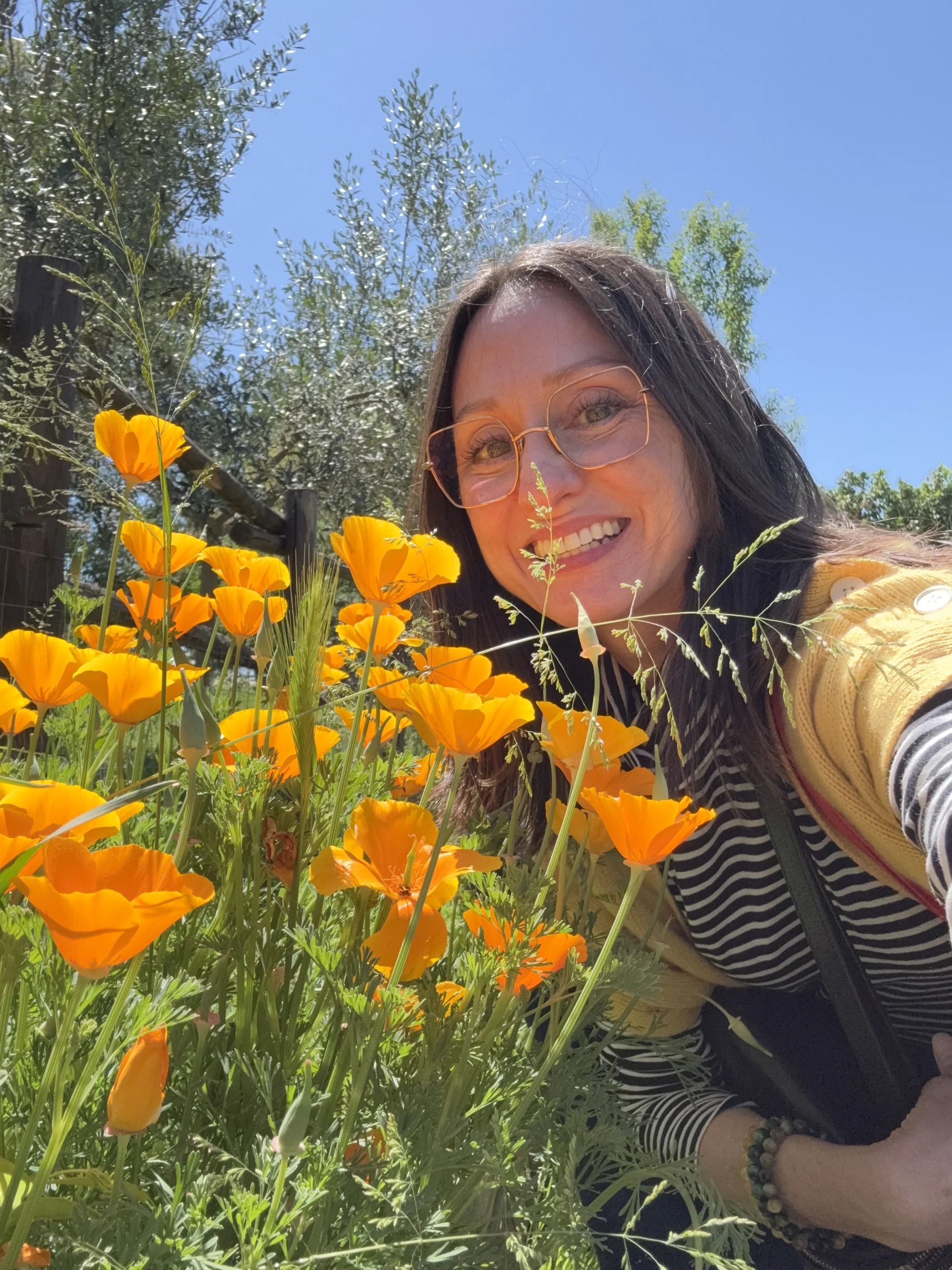
My relationship with botanical scent spans more than a decade — a love affair and curiosity with the plant world that never stops growing.
Over the years I've had the privilege of teaching more than 250 students the art of botanical perfumery, and I discovered something in those workshops that no bottle could ever hold: the moment someone smells something that unlocks a feeling they've never felt before.
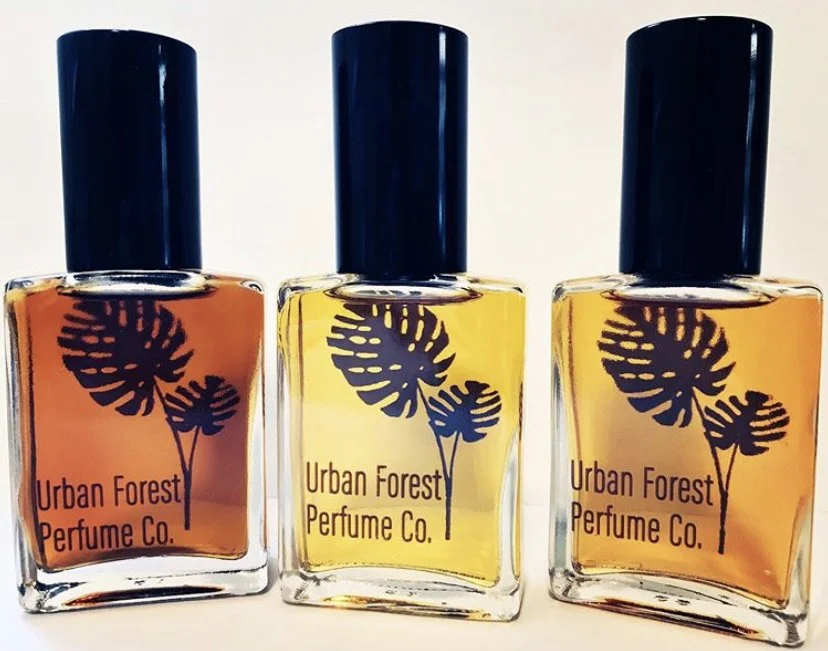
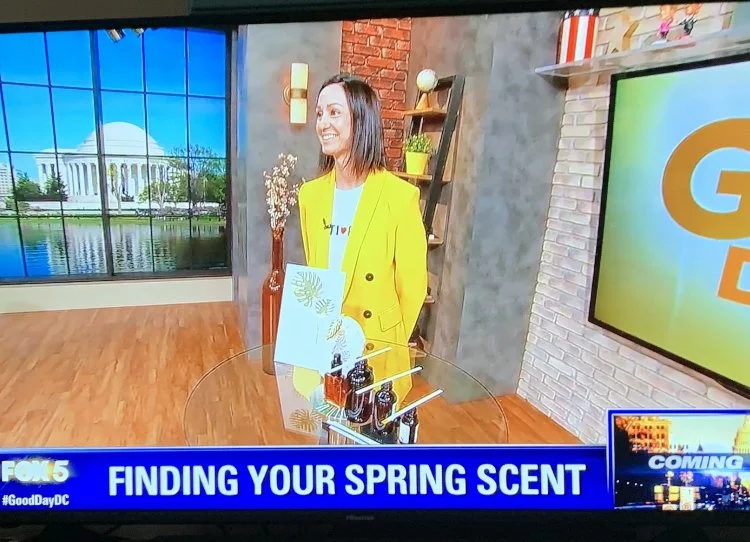
In 2016, I founded Urban Forest Perfume Co. in Washington, D.C.(USA), a small botanical perfume brand built on the belief that nature, when distilled into scent, has the power to move people in ways words simply can't. When the pandemic closed its doors in 2020, I took a pause.
Now in Rome, Italy, Flora et Alchimia is the fullest expression of who I am — a maker, a teacher, a lover of plants, and a hopeless devotee of the archeology of scent throughout the Mediterranean.
My goal is simple, even if it isn't easy: to bring the botanical world, the ancient world, and the art of perfumery together in a way that inspires you to see the past from a different perspective by using your sense of smell.
Welcome to Flora et Alchimia. I'm so glad you're here.
-Sara